What Information Should You Record During a Hypoglycemic Episode?
Experiencing a hypoglycemic episode (low blood sugar) can be highly stressful and disorienting. In the moment, your only priority should be treating the low and getting your blood sugar back into a safe range using fast-acting carbohydrates.
However, once the immediate danger has passed and you are feeling stable, recording the details of the episode is absolutely crucial. Writing down what happened helps you and your healthcare team identify patterns and prevent severe lows in the future. Relying on memory simply isn't enough, especially when a lack of glucose to the brain has already made everything feel foggy.
The 6 Crucial Details You Must Record
To give your doctor the complete picture, make sure you record every one of these data points as soon as you have recovered:
- The Exact Time and Date: Write down exactly when the symptoms started or when the low reading was taken.
- The Exact Blood Sugar Number: Even if you know it was "low," recording whether it was 65 mg/dL or 45 mg/dL makes a huge difference to your doctor. Did your CGM alert you, or did you do a finger-prick?
- Symptoms Experienced: Note how you felt. Were you shaky, sweating, dizzy, irritable, or confused? Knowing your personal warning signs helps you catch future lows faster.
- What You Ate (The Correction): Record exactly what you consumed to raise your blood sugar. For example: "Drank 4oz of apple juice" or "Ate 3 glucose tablets."
- The 15-Minute Rebound Check: The golden rule is the "15-15 Rule" (15g of carbs, wait 15 minutes). You must record your blood sugar 15 minutes after treating the low to show whether it stabilized or whether you needed a second treatment.
- Potential Triggers: Think back to the last 24 hours. Did you skip a meal? Take too much insulin? Exercise more intensely than usual? This is the most valuable piece of information for preventing the next episode.
Why Apps Fail During a Hypoglycemic Episode
When your hands are shaking, your vision is blurry, and your brain is struggling for energy, the last thing you want to do is unlock a smartphone, navigate to an app, wait for it to load, and tap tiny buttons on a glaring screen.
This is when a physical journal proves its worth. Grabbing a pen and scribbling down the time, the number, and what you ate is a tactile, reliable process that doesn't rely on battery life or internet connections.
Take Control with a Physical Log Book
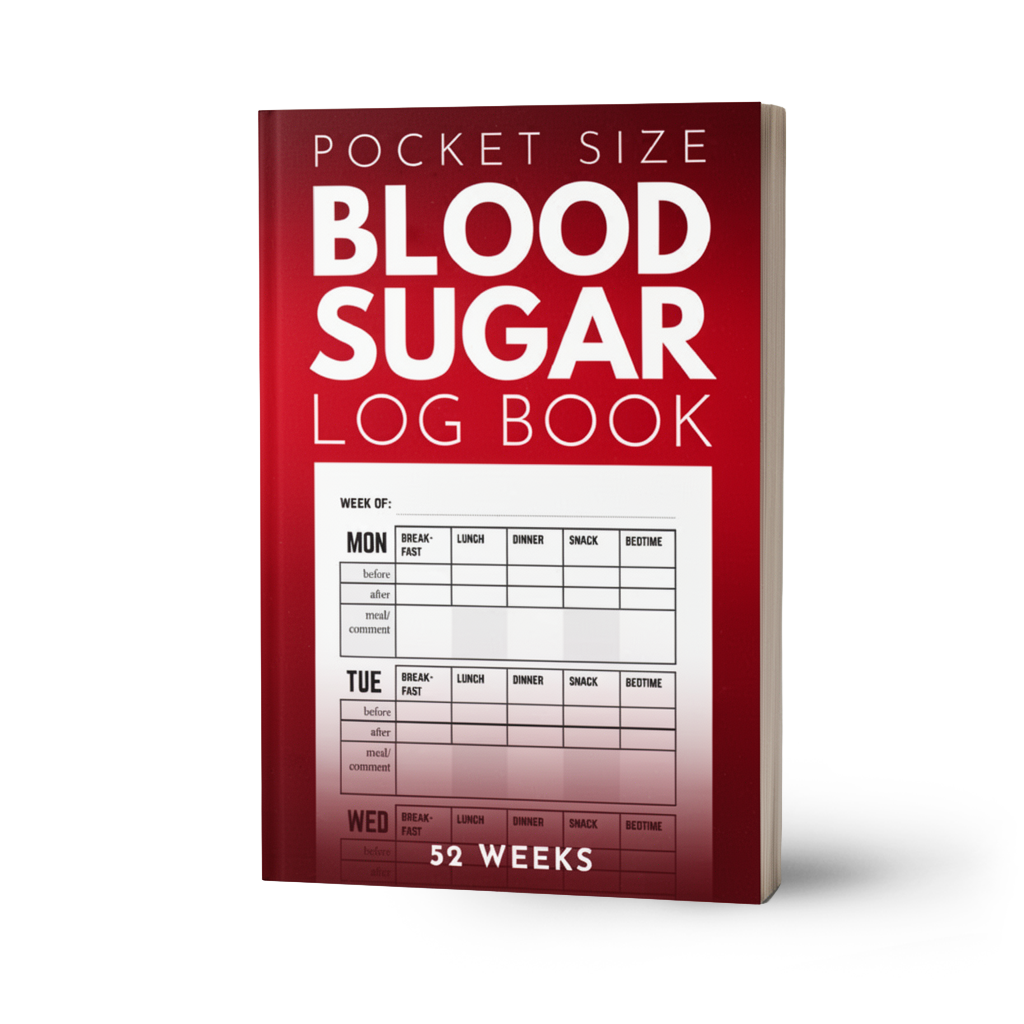
Our best-selling Pocket-Sized Diabetes Log Book is designed for real life. It gives you dedicated columns for the time, blood sugar reading, meals (carbs), and insulin taken, alongside a space for daily and weekly notes where you can track the details of a hypoglycemic episode effortlessly.
 View on Amazon (4.6★)