Daily Blood Sugar Log: What and When to Record Every Day
⚡ Quick 30-Second Answer
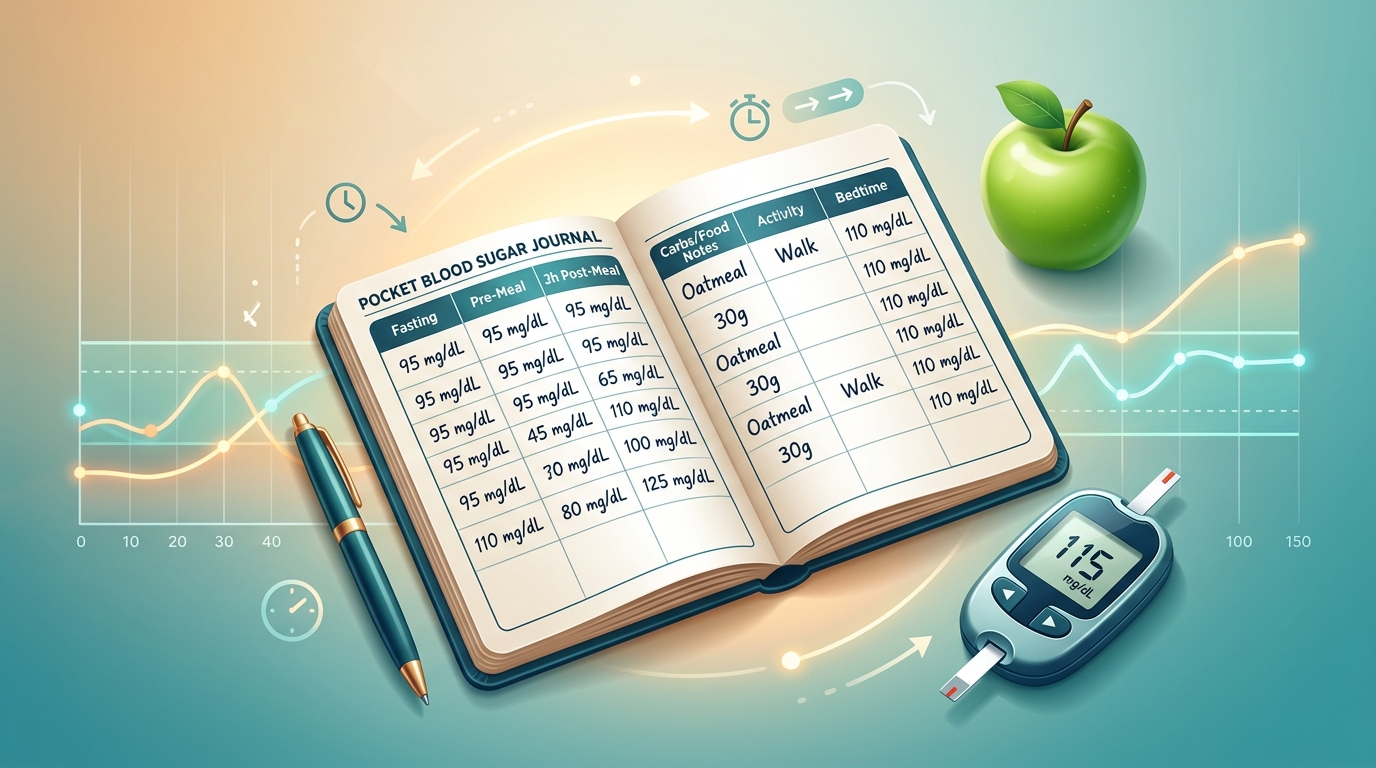
Effective blood sugar tracking is not about recording random numbers—it is built upon correlated paired testing: waking fasting glucose, paired readings before meals and 2 hours after the first bite (to measure food impact), bedtime numbers, and concise context notes (carbs eaten, medication/insulin doses, exercise, or stress). A well-kept paper log book provides your endocrinologist with an instant 3-month panoramic view of your glycemic patterns in seconds.
Sample Daily Blood Sugar Log Entry Table
Here is what a structured daily log looks like using the paired testing framework:
| Time of Day | Target Range (mg/dL) | Sample Reading | Essential Context to Log |
|---|---|---|---|
| Waking (Fasting) | 70 – 99 (or < 130 diabetes) | 94 mg/dL | 7.5 hrs sleep, light dinner previous evening. |
| Pre-Lunch | 70 – 110 (or < 130) | 102 mg/dL | Pre-meal medication dose. |
| 2 Hours Post-Lunch (+2h) | < 140 (or < 180 diabetes) | 138 mg/dL | Brown rice bowl + chicken + 15 min walk. |
| Pre-Dinner | 70 – 110 (or < 130) | 108 mg/dL | Pre-meal insulin / medication. |
| 2 Hours Post-Dinner (+2h) | < 140 (or < 180) | 124 mg/dL | Grilled salmon + salad, no dessert. |
| Bedtime (Night) | 100 – 140 | 118 mg/dL | Stable, no hypoglycemic symptoms. |
Check your Estimated Average Glucose
Curious how your daily readings match your 3-month lab result? Convert your HbA1c to average glucose.
Open HbA1c to eAG Calculator →The Power of "Paired Testing" (Before & After Meals)
The single biggest mistake in glucose logging is recording isolated post-meal numbers. A reading of 165 mg/dL after lunch means very little unless you know where you started before the meal.
Testing immediately before the first bite and exactly 2 hours post-meal reveals your true glycemic excursion. An excursion of less than 40–50 mg/dL indicates excellent meal tolerance; larger spikes point directly to excess fast-acting carbohydrates or medication timing issues.
The 4 Essential Data Points to Log Daily
1. Exact Time and Blood Glucose Reading
Always record the precise time of measurement to help your doctor link glucose patterns with circadian rhythms.
2. Estimated Carbohydrate Intake or Meal Description
You do not need complicated food scales—simple descriptions (e.g. "oatmeal with berries", "grilled chicken salad") provide crucial context.
3. Medication Dosages and Insulin Units
Accurately record oral tablet doses or rapid/basal insulin units administered.
4. Special Factors (Exercise, Illness, Hypoglycemia)
Note a 20-minute walk, poor sleep, emotional stress, or cold sweats/shakiness (low blood sugar episode).
4 Golden Rules for Your Doctor's Appointments
Use a Structured Pocket-Sized Log Book
Loose sheets get lost, and phone screens can be cumbersome for physicians. A dedicated pocket journal offers a clean weekly layout doctors love.
Never Erase or Hide High Numbers
High out-of-range readings are the most valuable entries—they pinpoint exactly where dietary or medical adjustments are needed.
Circle or Highlight Low Blood Sugar (< 70 mg/dL)
Highlighting hypoglycemic events ensures your physician immediately sees safety risks and can lower medication doses.
Calculate Weekly Fasting Averages
Summarizing your weekly morning averages allows you to observe steady progress across months.
Helpful Clinical Tracking Tools
HbA1c to eAG Calculator
Match your daily log averages against official HbA1c conversion formulas.
Open tool →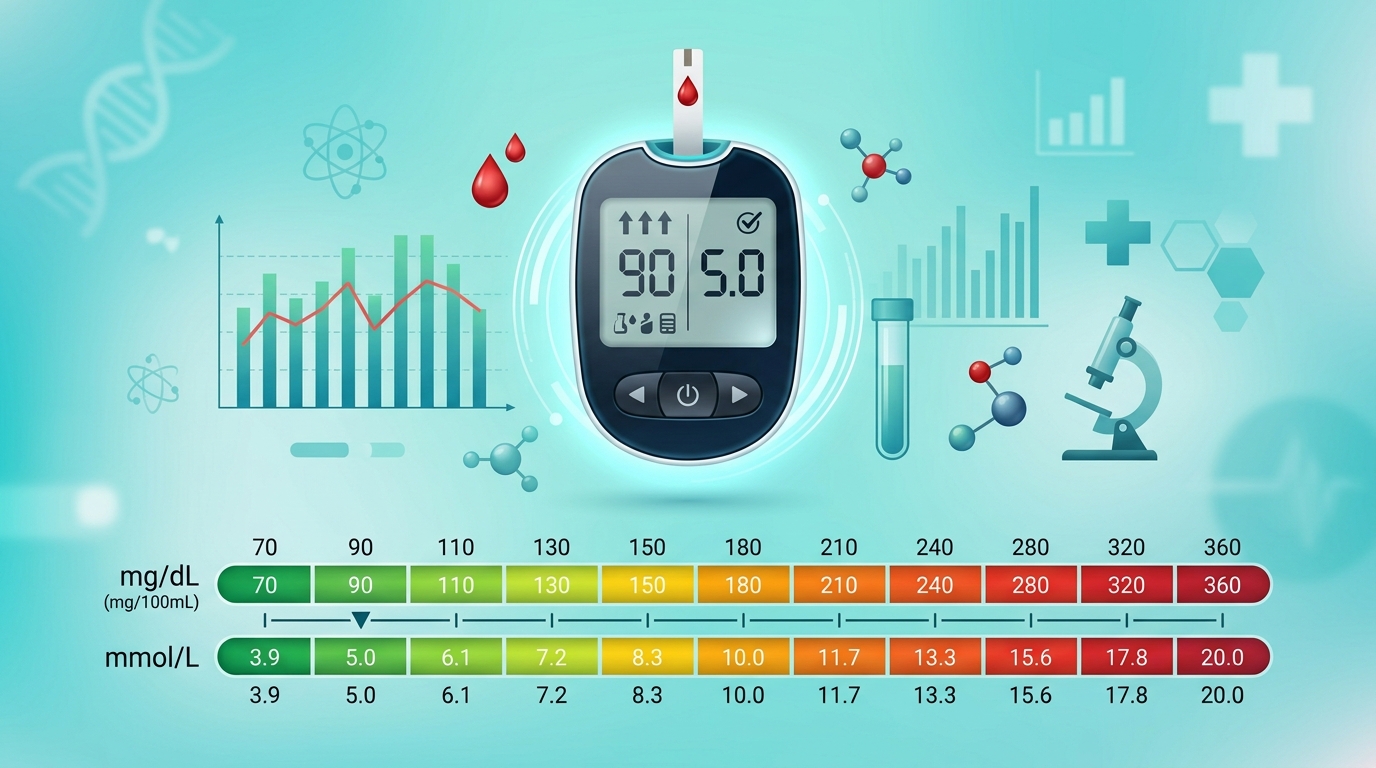
Glucose Unit Converter (mg/dL ↔ mmol/L)
Instantly convert readings between international standards.
Open tool →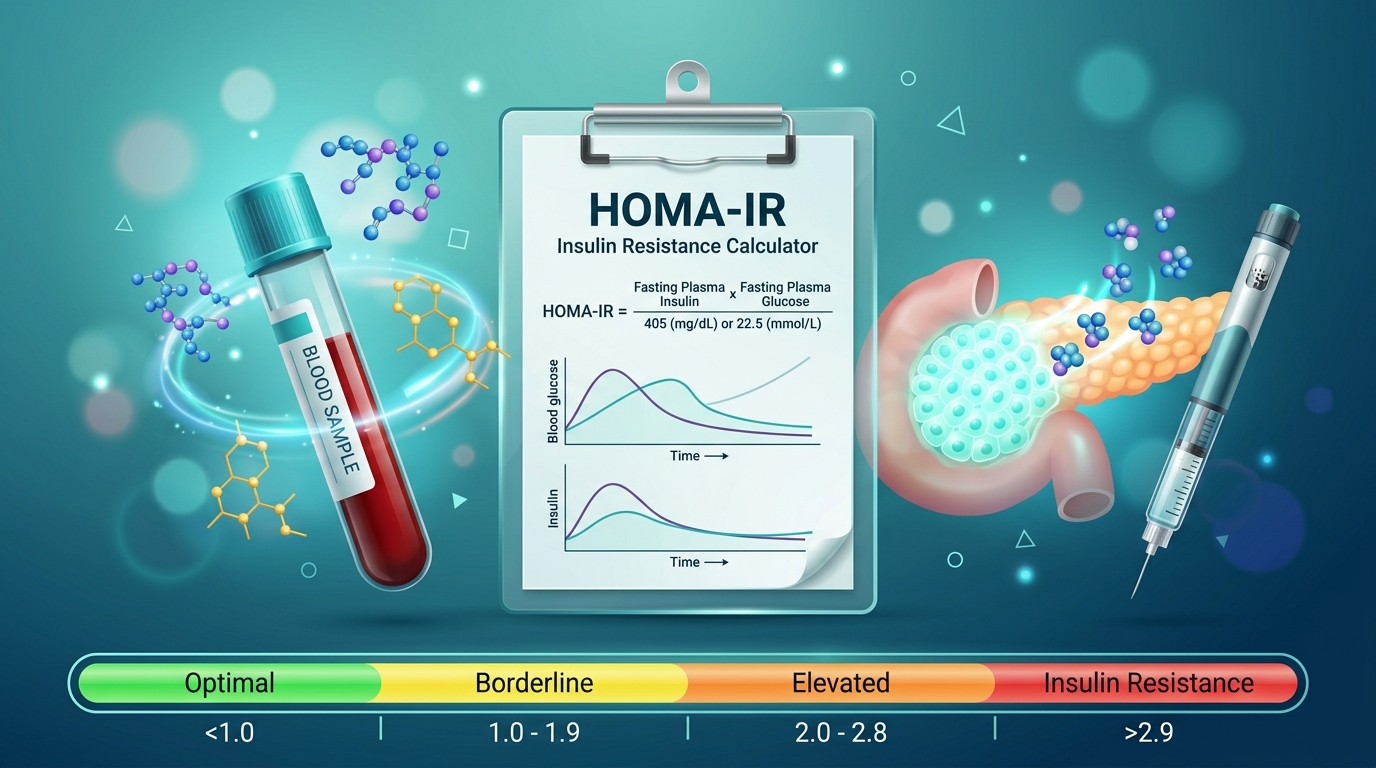
HOMA-IR Insulin Resistance Calculator
Evaluate your cellular insulin sensitivity from fasting blood tests.
Open tool →Frequently Asked Questions (FAQ)
Start Logging Today with the Overspire Pocket Journal
The simplest, cleanest, and doctor-preferred format to record your daily journey toward stable blood sugar.
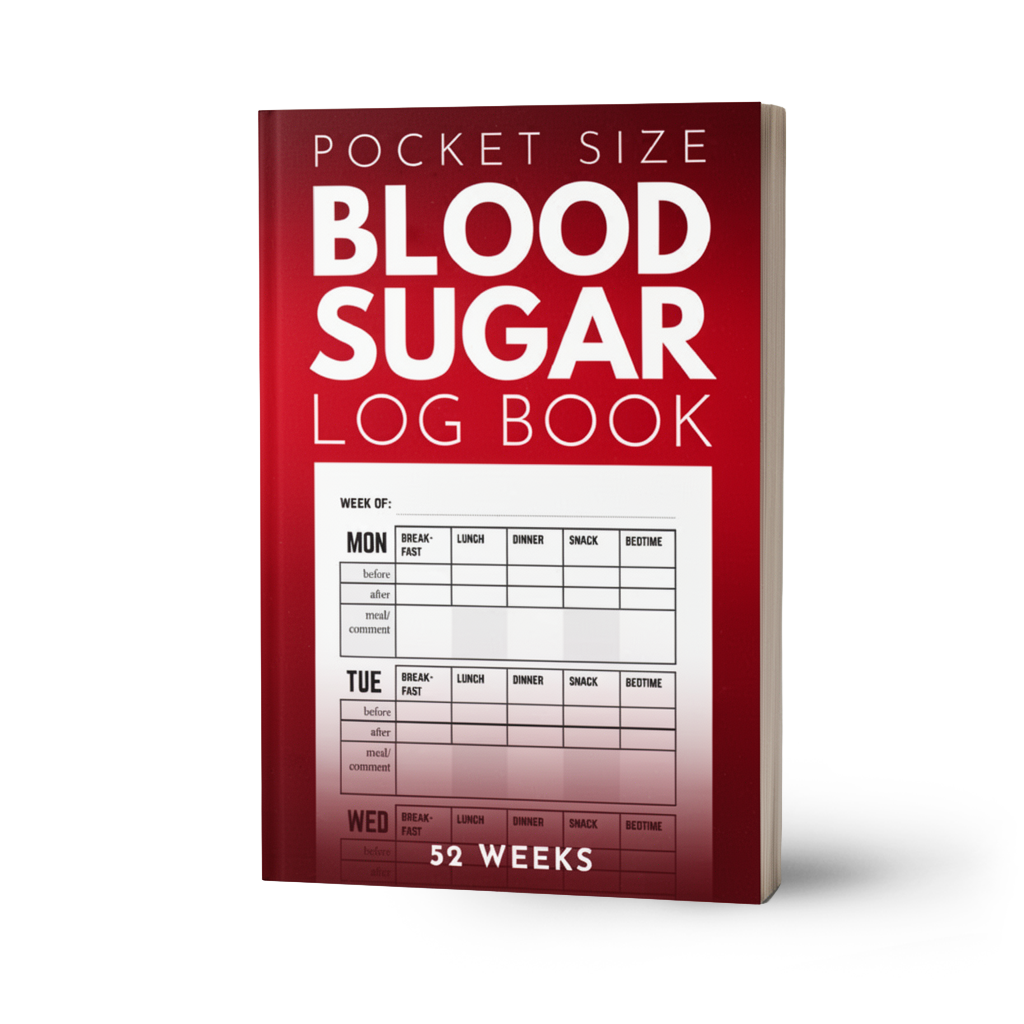
Overspire Pocket Blood Sugar Log Book (2-Year Edition)
108 weeks of tracking, paired pre/post-meal slots, dedicated notes for carbs, meds, and activities.
See on Amazon.com (4.5★)