High Fasting Blood Sugar in the Morning: Dawn Phenomenon, Causes & How to Fix It
⚡ Quick 30-Second Answer
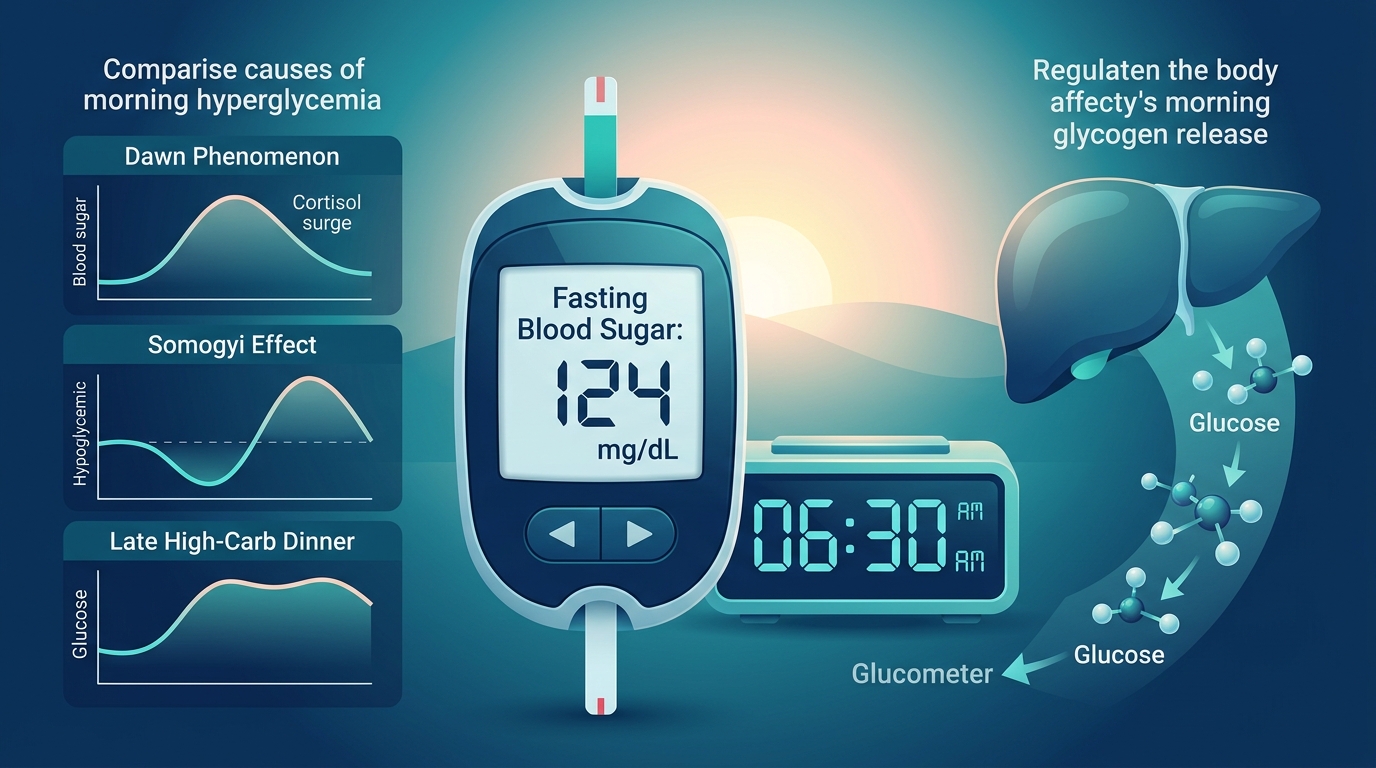
A fasting blood sugar level above 100 mg/dL (5.6 mmol/L) upon waking before breakfast is predominantly driven by three distinct mechanisms: the Dawn Phenomenon (a natural surge of cortisol, growth hormone, and glucagon between 4:00 AM and 8:00 AM triggering hepatic glucose release), the Somogyi Effect (a 2–3 AM nighttime hypoglycemic dip followed by a hormone rebound spike), or a late high-carb/high-fat dinner. The definitive way to identify your cause is to perform the 3:00 AM blood sugar test for three consecutive nights.
Differential Diagnosis of Morning Hyperglycemia
Checking your blood sugar at 3:00 AM provides instant clarity on why your 7:00 AM waking glucose is elevated:
| Root Cause | 3:00 AM Blood Sugar | 7:00 AM Waking Glucose | Clinical Recommendation |
|---|---|---|---|
| Dawn Phenomenon | Normal (85–110 mg/dL / 4.7–6.1 mmol/L) | Elevated (> 125 mg/dL / > 6.9 mmol/L) | Shift dinner earlier, take a post-dinner walk, and consult your doctor regarding basal medication. |
| Somogyi Effect | Low / Hypoglycemia (< 70 mg/dL / < 3.9 mmol/L) | Elevated Rebound (> 130 mg/dL / > 7.2 mmol/L) | Reduce evening medication under medical supervision or consume a small protein snack before bed. |
| Late High-Carb Dinner | Elevated (> 130 mg/dL / > 7.2 mmol/L) | Elevated (> 130 mg/dL / > 7.2 mmol/L) | Eliminate refined starches at dinner and stop eating at least 3 hours before sleep. |
| Optimal Metabolic Balance | Normal (75–90 mg/dL / 4.2–5.0 mmol/L) | Optimal (70–95 mg/dL / 3.9–5.3 mmol/L) | Ideal circadian glucose control. No adjustment required. |
Check your overall 3-month glycemic average
Persistent morning spikes elevate your glycated hemoglobin. Convert your HbA1c to estimated average glucose (eAG) using our clinical tool.
Open Free HbA1c Calculator →What is the Dawn Phenomenon and Why Does it Happen?
Between 4:00 AM and 8:00 AM, the body prepares for wakefulness by releasing a surge of counter-regulatory hormones: cortisol, growth hormone (GH), epinephrine, and glucagon. These hormones signal the liver to release stored glycogen and synthesize glucose (hepatic gluconeogenesis) to provide wake-up energy.
In metabolically healthy individuals, the pancreas secretes just enough insulin to balance this output, keeping waking glucose below 90–95 mg/dL. In people with insulin resistance or impaired beta-cell secretion, the liver overproduces glucose unrestrained, resulting in elevated morning fasting readings.
Key Triggers Behind High Morning Glucose
1. The 3:00 AM Diagnostic Test (Gold Standard)
Set an alarm for 3:00 AM for three nights. If glucose is < 70 mg/dL, you are experiencing the Somogyi rebound. If glucose is normal or already climbing, it is the classic Dawn Phenomenon.
2. Hepatic Insulin Resistance & Fatty Liver
Excess lipid storage in hepatocytes blunts the liver's ability to "turn off" internal glucose production during the night.
3. Late Night Meals and Slow Gastric Emptying
Dinners high in saturated fat and refined carbohydrates delay digestion, causing glucose absorption 5 to 7 hours later while you sleep.
4. Poor Sleep Quality and Sleep Apnea (OSA)
Nocturnal hypoxia and fragmented sleep trigger frequent surges of adrenaline and sympathetic nervous activity throughout the night.
4 Evidence-Based Strategies to Lower Morning Blood Sugar
Eat Dinner Earlier and Limit Evening Carbohydrates
Finish dinner at least 3 hours before bed. Focus on non-starchy vegetables, lean proteins, and healthy fats, shifting heavier complex carbs to earlier in the day.
Take a 15–20 Minute Post-Dinner Walk
Moderate movement after dinner utilizes circulating glucose in skeletal muscle, depleting liver glycogen stores before sleep.
Consider 1–2 Tablespoons of Apple Cider Vinegar at Bedtime
Clinical trials show that acetic acid before sleep suppresses nighttime hepatic gluconeogenesis, reducing morning fasting glucose by 4–6%.
Track "Bedtime / 3 AM / Waking" Triplets in a Log Book
Recording your bedtime, 3:00 AM, and waking numbers for 7–14 days gives your physician the exact data required to optimize your therapy.
Related Clinical Tools
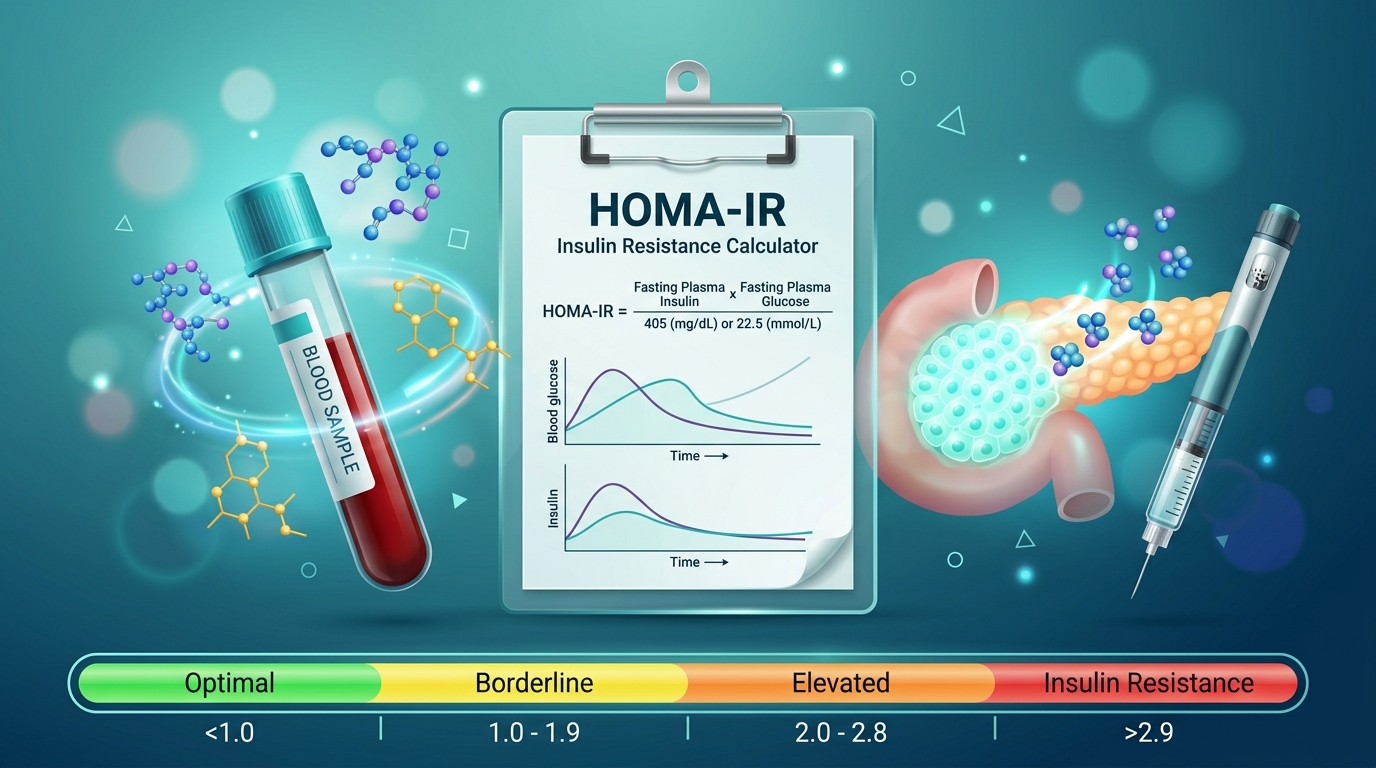
HOMA-IR Calculator Online
Check whether your morning highs stem from underlying insulin resistance.
Open tool →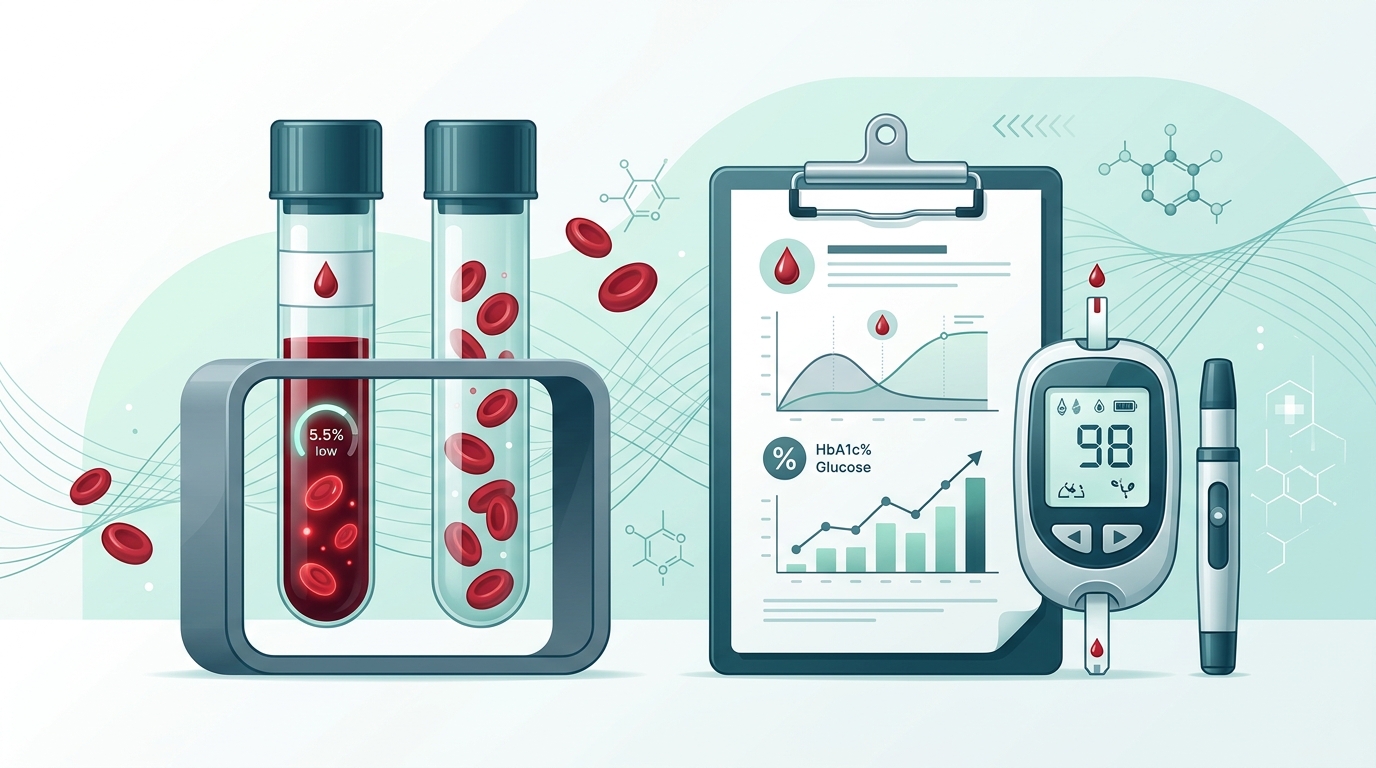
HbA1c to eAG Calculator
Understand how fasting spikes impact your 3-month average glucose.
Open tool →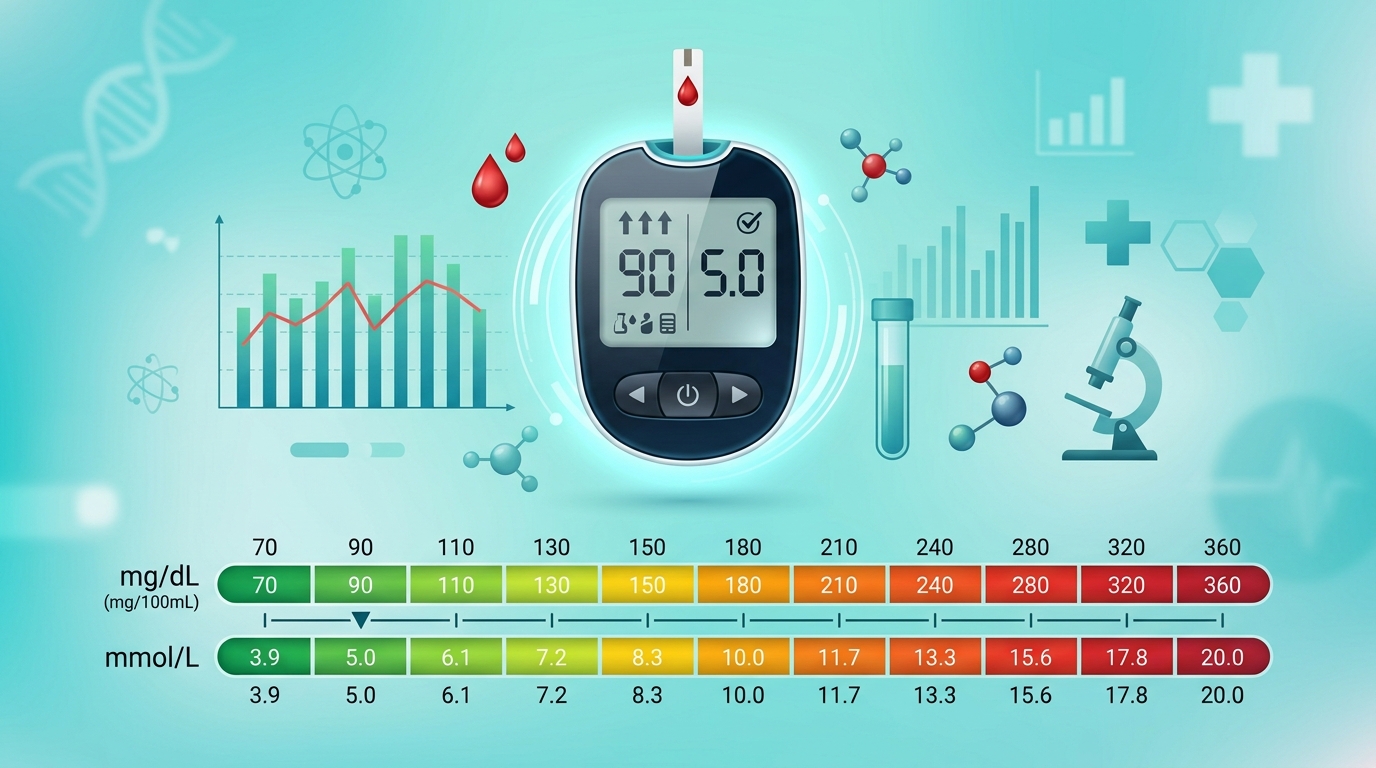
Blood Glucose Unit Converter
Instantly convert between mg/dL and mmol/L international units.
Open tool →Frequently Asked Questions (FAQ)
Log Your Morning and Bedtime Readings
Consistent paper log tracking is the most reliable way to help your physician isolate nighttime trends and adjust your care plan.
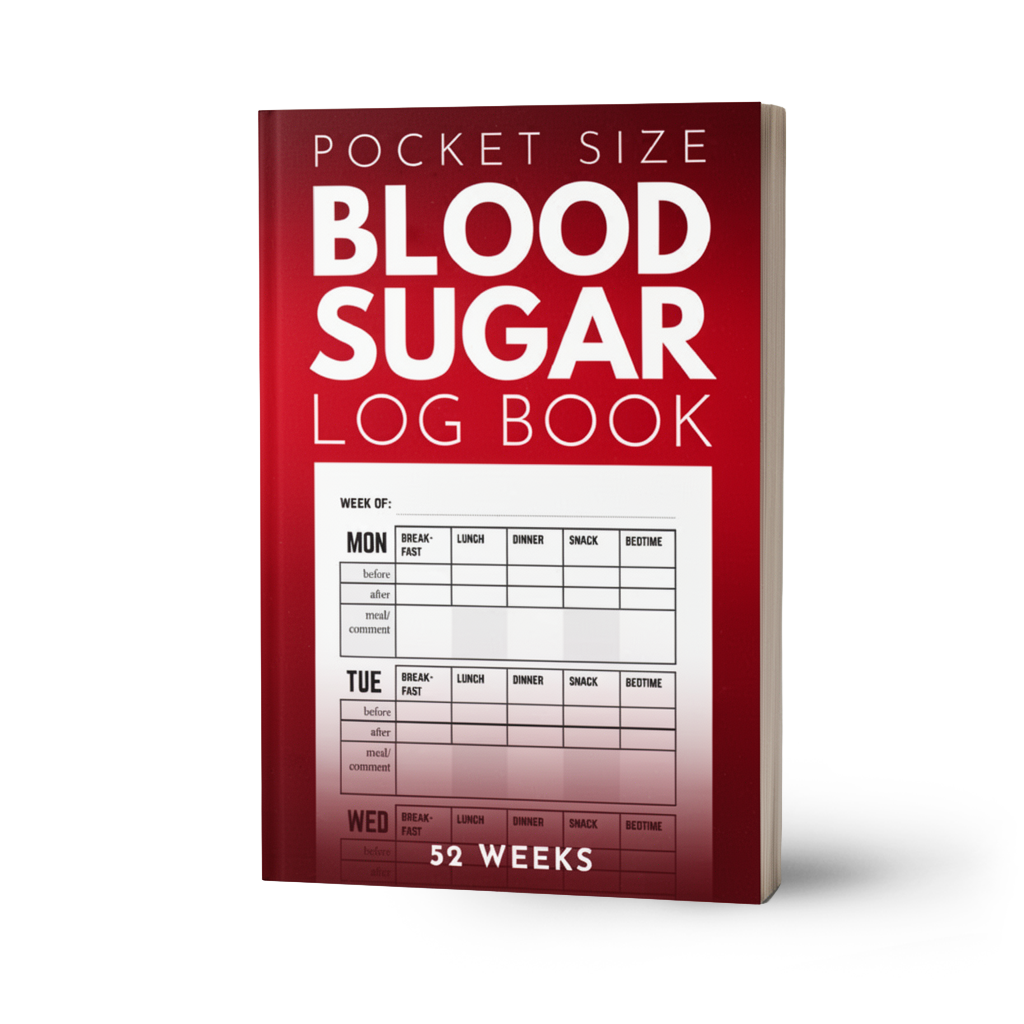
Overspire Pocket Blood Sugar Log Book
Structured with dedicated spaces for waking, pre/post-meal readings, bedtime scores, and notes.
See on Amazon.com (4.5★)