Diet Fundamentals — What to Eat to Keep Blood Sugar Stable All Day
Articles in this Series (10-Part Guide)
Most people assume that managing blood sugar through diet means giving up carbohydrates entirely, eating bland food, or following a strict and joyless meal plan. That assumption stops a lot of people before they even start — and it's simply not true.
Managing blood sugar through diet isn't about eating less. It's about eating smarter. The right food combinations, the right portion ratios, and even the order in which you eat can make a profound difference — without requiring calorie counting or radical restriction.
In Article 1 of this series, we covered why blood sugar matters and what's at stake when it stays chronically elevated. This article gives you the most powerful tool for changing that: what to put on your plate, and how to build every meal in a way that keeps glucose steady all day long.
How Food Affects Blood Sugar
Every time you eat, your digestive system breaks down carbohydrates into glucose, which enters the bloodstream and triggers an insulin response. In a healthy metabolic state, insulin efficiently shuttles that glucose into your cells, and blood sugar returns to baseline within 1–2 hours after eating.
The speed and height of that glucose rise — the "spike" — varies enormously depending on what you eat. Not all carbohydrates are equal. A bowl of oats and a bowl of cornflakes contain similar amounts of carbohydrate, but they affect blood sugar in completely different ways.
The three factors that most influence how a food affects blood sugar are:
- The type of carbohydrate — simple vs. complex, refined vs. whole
- The fiber content — fiber slows digestion and blunts the glucose rise
- What you eat alongside it — pairing carbs with fat, protein, or fiber significantly reduces their glycemic impact
Understanding these three levers gives you practical control over your blood sugar at every meal.
Glycemic Index and Glycemic Load: What They Actually Mean
Two tools you'll encounter in blood sugar nutrition are the Glycemic Index (GI) and the Glycemic Load (GL). Both are useful, but neither tells the complete story on its own.
Glycemic Index (GI) ranks foods on a scale of 0–100 based on how quickly they raise blood glucose after eating, relative to pure glucose. Foods with a high GI are digested and absorbed rapidly, causing sharp glucose spikes. Foods with a low GI break down more slowly, producing a steadier, more gradual rise.
Glycemic Load (GL) takes GI one step further by factoring in portion size — how much of that food you're actually eating in a real serving. This matters because some high-GI foods have very little actual carbohydrate per serving. Watermelon, for example, has a high GI of 72, but a typical slice contains so few carbohydrates that its GL is only 4.3 — a minimal real-world impact.
| GI Category | Score | Example Foods |
|---|---|---|
| Low GI | 55 or below | Lentils, oats, most vegetables, berries, apples, chickpeas |
| Medium GI | 56–69 | Brown rice, sweet potato, whole wheat bread, banana |
| High GI | 70 and above | White bread, white rice, cornflakes, sugary drinks, instant mashed potato |
One important caveat: GI and GL don't capture everything. A food can score low on both scales and still be heavily processed or nutritionally poor. The bigger-picture goal is to focus on whole, minimally processed foods rather than chasing GI numbers alone. Large prospective studies have found that both the glycemic index and glycemic load of the overall diet are independently associated with higher risk of type 2 diabetes.
Foods That Help Stabilize Blood Sugar
Non-Starchy Vegetables
Non-starchy vegetables are the foundation of any blood sugar–friendly diet. Leafy greens — spinach, kale, romaine, Swiss chard — along with broccoli, cauliflower, peppers, zucchini, asparagus, and mushrooms are high in fiber, low in carbohydrates, and dense in vitamins and minerals. The American Diabetes Association recommends filling half your plate with non-starchy vegetables at every meal. These vegetables produce minimal glucose response while supporting satiety and long-term metabolic health.
Legumes
Beans, lentils, and chickpeas are among the most effective foods for blood sugar control. They contain a uniquely powerful combination: high fiber (which slows carbohydrate digestion), plant-based protein (which triggers minimal glucose response), and a low glycemic index. Regular legume consumption has been linked to reduced HbA1c and lower fasting glucose in multiple studies. A cup of lentils with lunch significantly blunts the glucose rise compared to an equivalent portion of white rice.
Whole Grains
Replacing refined grains with whole grain alternatives is one of the most consistent dietary recommendations across medical organisations for blood sugar management. Oats, barley, quinoa, farro, and brown rice retain their fiber and nutrient content intact. Soluble fiber — particularly beta-glucan found in oats — has especially strong evidence for reducing post-meal glucose spikes by slowing gastric emptying and carbohydrate absorption. In large dietary studies, higher intake of cereal fiber is consistently associated with lower risk of developing type 2 diabetes.
Healthy Fats
Fat slows gastric emptying — meaning food leaves the stomach more slowly, and glucose enters the bloodstream more gradually. Avocados, extra-virgin olive oil, nuts, seeds, and fatty fish (salmon, sardines, mackerel) all provide healthy unsaturated fats that support insulin sensitivity. The Mediterranean diet, which is rich in olive oil and nuts, is one of the most studied dietary patterns in diabetes prevention and management, consistently showing benefits for blood glucose control.
Lean Proteins
Protein triggers a minimal direct glucose response and significantly improves satiety — meaning you're less likely to reach for a high-carb snack an hour later. Eggs, chicken, turkey, fish, tofu, tempeh, and plain Greek yogurt are all excellent choices. Crucially, adding protein to a carbohydrate-heavy meal reduces the overall glycemic impact of that meal. A chicken salad followed by brown rice produces a much smaller blood sugar spike than the same amount of brown rice eaten alone.
Berries
Berries are the best fruit choice for blood sugar management. Blueberries, raspberries, strawberries, and blackberries are high in fiber and antioxidant polyphenols while remaining relatively low in sugar and glycemic impact. Research shows that blueberries provide fiber and antioxidants that lower both blood sugar and inflammation. One study found that consuming berries alongside or after starch-heavy meals reduced post-meal blood sugar compared to eating the starch alone. A study in Obesity found that as raspberry intake increased, insulin resistance decreased.
Foods That Spike Blood Sugar — And What to Swap
The biggest drivers of blood sugar spikes in the average diet are refined carbohydrates and added sugars. The good news is that most of these foods have straightforward, satisfying alternatives.
| Avoid / Reduce | Better Alternative |
|---|---|
| White bread | 100% whole grain or sourdough bread |
| White rice | Brown rice, quinoa, or cauliflower rice |
| Sugary breakfast cereal | Steel-cut oats or plain Greek yogurt with berries |
| Fruit juice | Whole fruit (fiber intact) or water with lemon |
| Sweetened flavoured yogurt | Plain full-fat Greek yogurt |
| Soda and energy drinks | Sparkling water, herbal tea, black coffee |
| Candy and processed snacks | Small handful of almonds, a boiled egg, or raw vegetables |
| Instant mashed potato | Boiled sweet potato (especially when cooled — resistant starch forms) |
One note on "diet" or "sugar-free" alternatives: these products frequently contain artificial sweeteners that may still affect insulin signaling in some individuals and are not a guaranteed safe substitute for whole foods.
The Diabetes Plate Method: Build Every Meal Visually
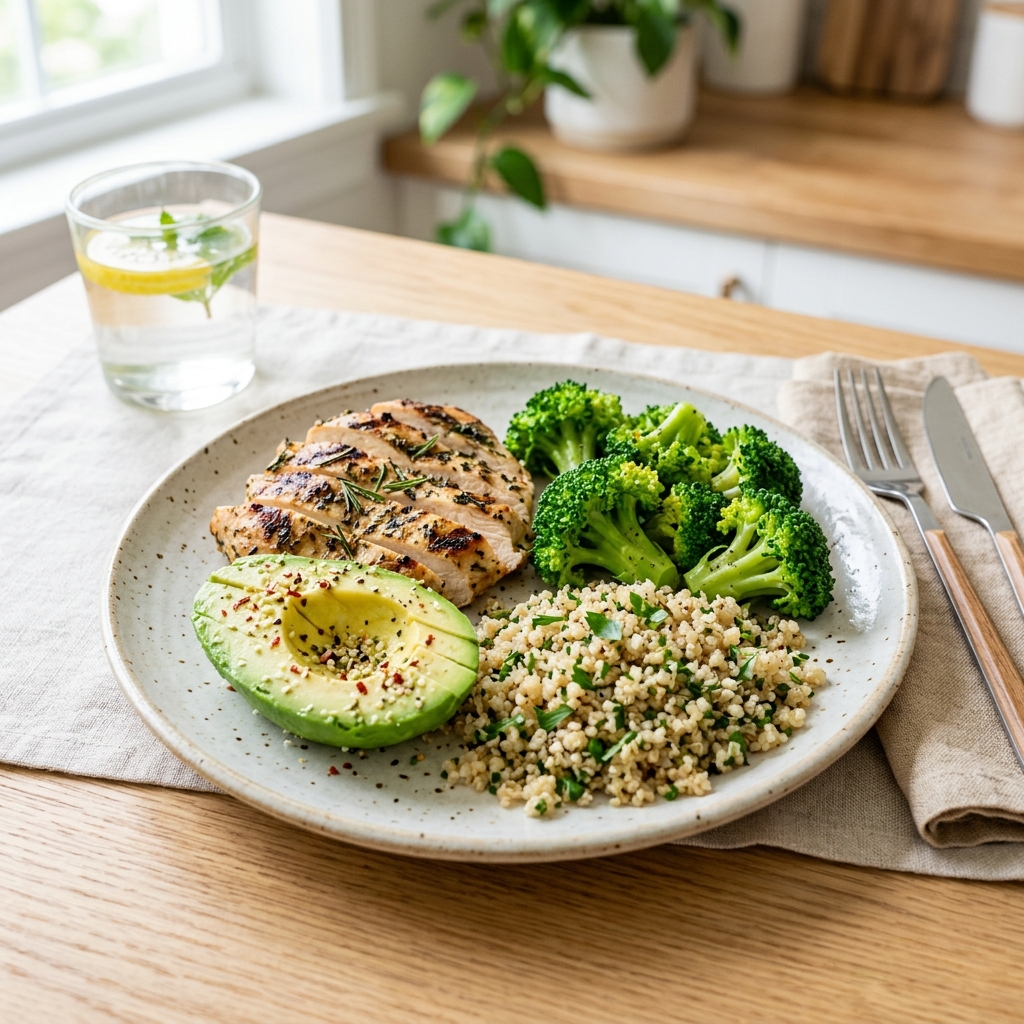
The simplest, most practical framework for structuring blood sugar–friendly meals is the Diabetes Plate Method, recommended by the American Diabetes Association and used by dietitians worldwide. No calorie counting. No weighing. Just a visual structure that works at every meal.
Here's how to build your plate:
This structure naturally controls carbohydrate portions without calculation, ensures adequate fiber and protein at every meal, and leaves room for satisfying, flavourful food.
The Meal Sequencing Hack
One of the most fascinating and underutilised strategies in blood sugar management is meal sequencing — eating the components of your meal in a specific order to reduce the glucose spike, even when the total food content is exactly the same.
Research published in Clinical Nutrition Research (2026) confirmed what earlier studies have suggested: consuming vegetables and protein before carbohydrates within a meal is an effective novel strategy for reducing post-meal glucose spikes. The mechanism is straightforward — protein and fiber in the stomach trigger early satiety hormones and slow the absorption of subsequently eaten carbohydrates.
How to apply it at every meal:
- Start with a salad, vegetables, or protein (eggs, chicken, fish)
- Wait 10–20 minutes before eating the carbohydrate component
- Or simply eat your vegetables and protein first within the same meal, leaving bread, rice, or pasta for last
A second practical strategy: apple cider vinegar. Taking 1–2 teaspoons in a glass of water before a high-carbohydrate meal has emerging evidence supporting its ability to blunt the glucose response by slowing carbohydrate digestion — though this should be used as a complement to good dietary habits, not a substitute.
What About Fruit, Alcohol, and Coffee?
Fruit
Whole fruit is generally well-tolerated for blood sugar because the fiber matrix slows glucose release. Lower-GI fruits — berries, apples, pears, citrus, plums — are the best choices. Limit high-sugar fruits like grapes, mango, pineapple, and watermelon, particularly in large quantities. The cardinal rule: never replace whole fruit with juice. Juicing removes the fiber entirely, turning fruit into a concentrated glucose delivery system.
Alcohol
Alcohol can cause unpredictable blood sugar fluctuations in both directions — it can cause hypoglycemia (too low) by blocking the liver's glucose release, but sugary mixers and beer can push blood sugar high. If drinking, choose dry wine or straight spirits over cocktails, beer, and cider. Always eat food alongside alcohol, and follow general guidelines of no more than one drink per day for women and two for men.
Coffee and Tea
Black coffee has a complex relationship with blood sugar — caffeine may temporarily raise glucose in some people through a cortisol-mediated response, though habitual coffee drinkers often adapt. Green tea and herbal teas are broadly beneficial — their polyphenols support insulin sensitivity. The real problem in most people's daily routine isn't the coffee itself: it's the sugar, flavoured syrups, and sweetened creamers added to it.
A Sample Day of Eating for Blood Sugar Balance
This isn't a strict prescription — it's an illustration of how the principles in this article translate to a real, enjoyable day of eating:
| Meal | Example |
|---|---|
| Breakfast | Steel-cut oats with cinnamon and walnuts + fresh blueberries + one boiled egg |
| Mid-morning snack | Small handful of almonds + one apple |
| Lunch | Mixed greens salad with grilled chicken, chickpeas, avocado, and olive oil dressing |
| Afternoon snack | Plain full-fat Greek yogurt with a few raspberries |
| Dinner | Baked salmon + roasted broccoli and peppers + ½ cup brown rice or quinoa |
| Drinks throughout the day | Water, sparkling water, herbal tea, or black coffee |
Bonus tip: Cooking and then cooling starchy foods like rice, potatoes, or pasta overnight increases the formation of resistant starch — a type of fiber that feeds beneficial gut bacteria and reduces glycemic impact when the food is reheated and eaten the next day.
Putting It Into Practice
The biggest wins from this article come down to three shifts:
None of this requires perfection. A single meal built on these principles is better than none. The goal is consistency over time — and over time, these habits produce measurable reductions in fasting glucose and HbA1c.
Sources
Take Control with a Daily Log Book
Whether you're managing diabetes or reversing prediabetes, logging your levels daily is essential. Our Pocket-Sized Diabetes Log Book gives you the structure you need with a doctor-approved format.
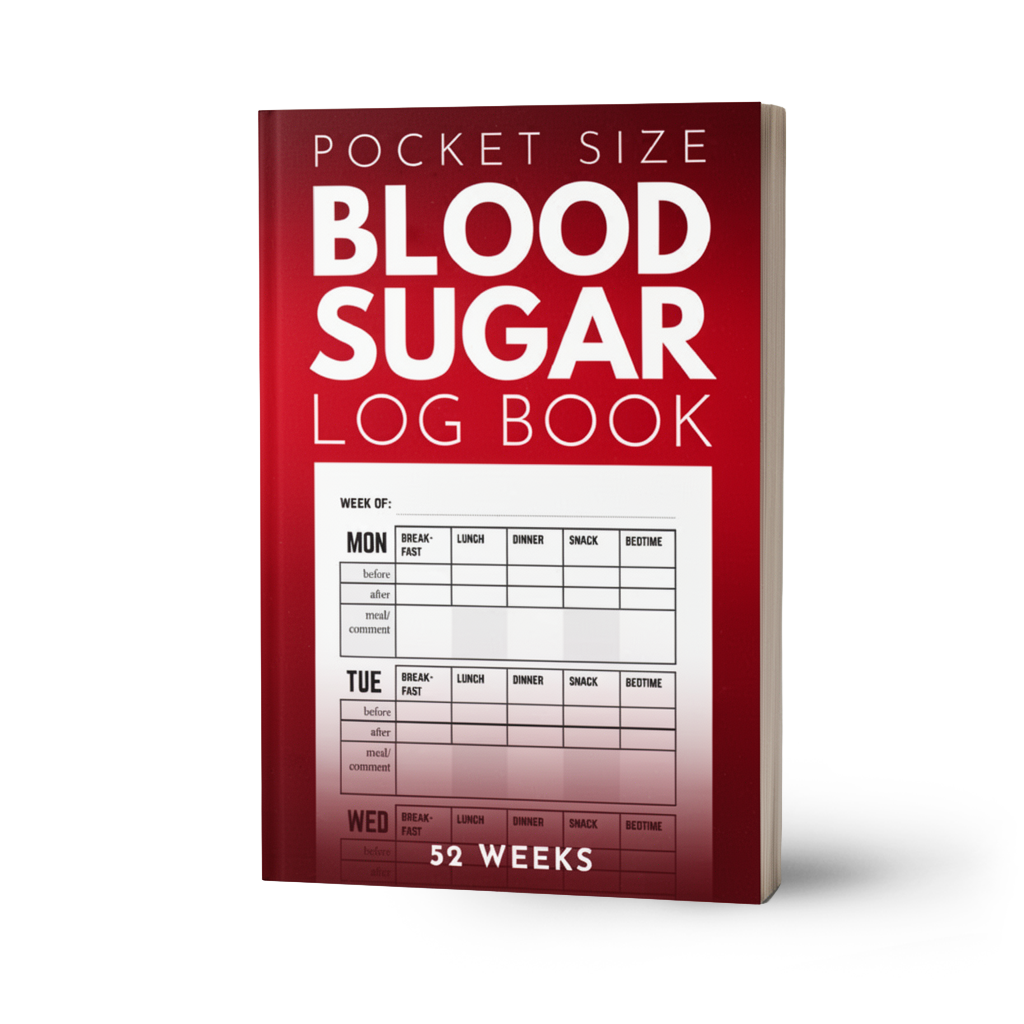 View on Amazon (4.6★)
Sources
- Harvard Health Publishing — Healthy Eating for Blood Sugar Control (2023).
- Harvard Health Publishing — The Lowdown on Glycemic Index and Glycemic Load (2021).
- PubMed / NIH — Glycemic Index, Glycemic Load, and Risk of Type 2 Diabetes (2002).
- Clinical Nutrition Research — Effects of Meal Sequence Intervention on Blood Glucose (2026).
- Dexcom Clinical Corner — Glycemic Index and Load for Diabetes Management (2025).
- Mayo Clinic — Diabetes Diet: Create Your Healthy-Eating Plan (2026).
- Mass General Brigham — How to Control Blood Sugar With Diet (2025).
- Diabetes UK — 10 Tips for Healthy Eating With Diabetes (2026).
- Healthline — 17 Foods to Lower Your Blood Sugar *(medically reviewed)*.
- MCE Hospital Health Library — 5 Superfoods to Lower Your Blood Sugar .
- PMC / NIH — Discussion: Dietary Patterns That Lower Postprandial Glycemia (2024).