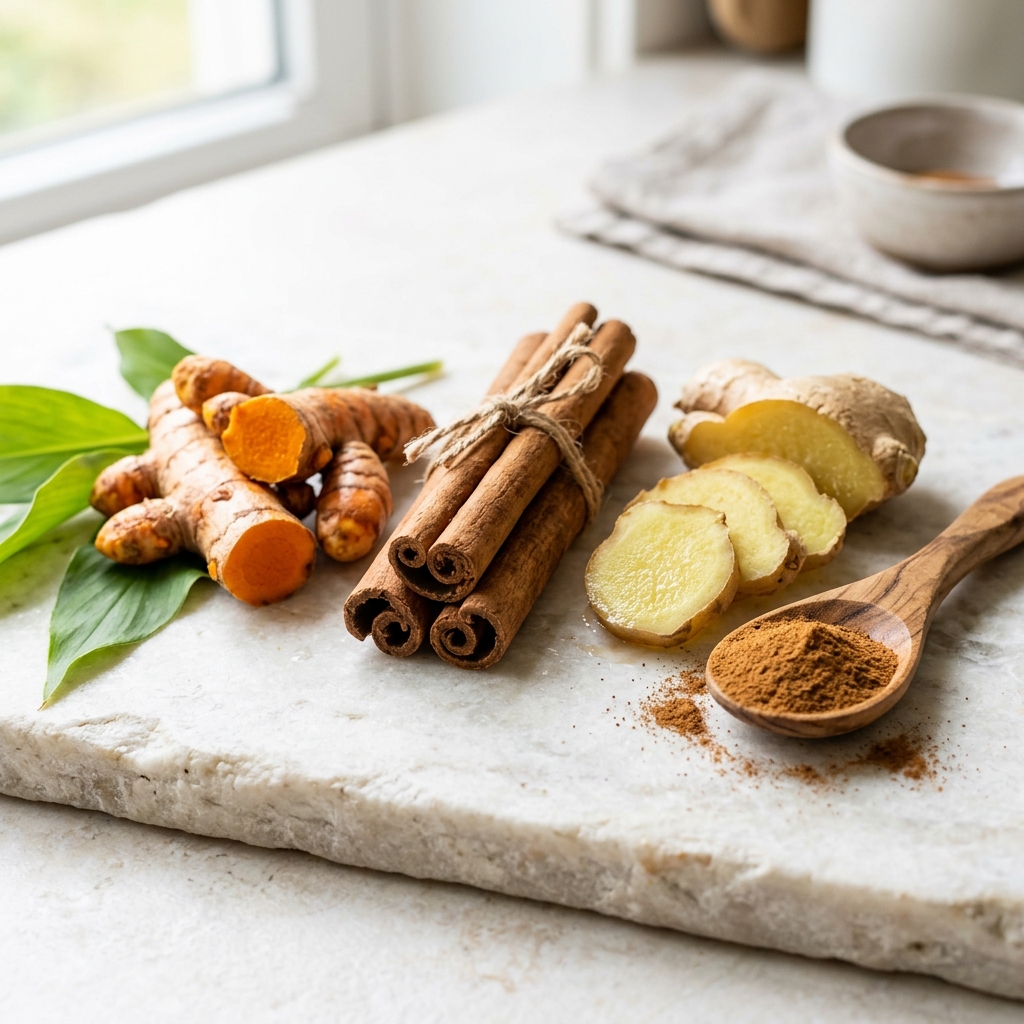
Herbs and Spices With Real Evidence Behind Them
Articles in this Series (10-Part Guide)
- 1 Why Blood Sugar Matters
- 2 Diet Fundamentals
- 3 The Power of Fiber
- 4 Movement as Medicine
- 5 Meal Timing and Intermittent Fasting
- 6 Herbs and Spices With Real Evidence Behind Them
- 7 Micronutrients
- 8 Stress, Sleep, and Blood Sugar
- 9 Hydration and Probiotics
- 10 Putting It All Together
Here is something most people don't know: metformin — the world's most prescribed diabetes medication — derives its core mechanism from a plant. French lilac (Galega officinalis) was used in medieval European medicine to relieve the symptoms of diabetes. Centuries later, scientists isolated the active compound, refined it, and turned it into metformin. The plant came first.
This is not an argument for abandoning modern medicine. It is a reminder that the boundary between "natural remedy" and "pharmaceutical drug" is often a matter of extraction and dosage rather than a fundamental difference in kind. Several herbs and spices act on the same metabolic pathways as diabetes medications — through mechanisms that are specific, understood, and increasingly well-documented in peer-reviewed clinical trials.
The challenge is distinguishing the genuinely evidence-backed herbs from the vast noise of the supplement industry, which is poorly regulated and full of exaggerated claims. This article does that work for you. Every herb covered here has clinical trial evidence — ideally from randomized controlled trials and systematic reviews — not just traditional use or animal studies.
One essential framing before we begin: no herb or spice replaces prescribed medication. These strategies are most powerful when layered on top of the dietary and lifestyle foundations from previous articles in this series. And as you will see in the caution sections throughout, some of these herbs are potent enough to interact with common medications — making medical supervision important, not optional.
Berberine — The Most Clinically Studied Natural Compound for Blood Sugar
Evidence level: Strong
Berberine is an alkaloid compound found in several plants including barberry (Berberis vulgaris), goldenseal, and Coptis chinensis. It has been used in Traditional Chinese Medicine for over 2,500 years. In the last two decades, it has attracted serious scientific attention — and the clinical evidence is remarkable.
How it works: Berberine activates AMPK (AMP-activated protein kinase) — the same metabolic master switch that exercise triggers (covered in Article 4). Through AMPK, berberine suppresses glucose production in the liver, increases GLUT4 expression in muscle cells (improving glucose uptake), and modifies the gut microbiome in ways that improve insulin sensitivity.
The landmark clinical evidence: A pivotal 2008 RCT published in Metabolism tested berberine (500mg three times daily) against metformin in newly diagnosed type 2 diabetes patients. Berberine reduced HbA1c by 2.0%, fasting glucose by 20%, and postprandial glucose by 28.1% — a performance statistically comparable to metformin.
This finding was reinforced in 2025 by a new randomized clinical trial published in the International Journal of Basic & Clinical Pharmacology, which compared berberine HCl (500mg twice daily) to metformin (500mg twice daily) in 90 newly diagnosed prediabetic patients over 12 weeks. Berberine reduced fasting plasma glucose from 109.8 to 97.2 mg/dL (−12.6 mg/dL) and postprandial glucose from 156.4 to 134.6 mg/dL (−21.8 mg/dL). Metformin achieved comparable reductions, but berberine caused gastrointestinal upset in only 20% of participants vs. 30% in the metformin group.
A comprehensive 2025 overview of systematic reviews published in PMC confirmed berberine's consistent benefits across cardiovascular risk markers, lipid profiles, fasting glucose, and insulin resistance — while noting that most studies are short-term and further long-term safety data are still needed.
Effective dose: 500mg taken 2–3 times per day with meals.
Important cautions: Berberine interacts with several medications — including metformin itself (combined use can lower blood sugar too aggressively), cyclosporine, and blood thinners. It is not suitable during pregnancy or for children. Medical supervision is strongly recommended before starting berberine, especially for anyone already on diabetes medication.
Cinnamon — The Most Accessible Blood Sugar Spice
Evidence level: Moderate-Strong
Cinnamon is the easiest herb in this article to incorporate — it's widely available, inexpensive, and can be added to dozens of everyday foods. It has also generated more clinical research than almost any other culinary spice.
How it works: Cinnamon's active compounds — primarily cinnamaldehyde and A-type proanthocyanidins — act through multiple pathways. They enhance insulin receptor sensitivity, making cells more responsive to insulin's signal. They also inhibit α-amylase and α-glucosidase — the digestive enzymes that break down starch into glucose — slowing carbohydrate digestion in a similar way to the prescription drug acarbose.
The clinical evidence: A 2023 meta-analysis of 12 randomized controlled trials published in PMC found that cinnamon supplementation significantly reduced fasting blood glucose in people with metabolic conditions, including type 2 diabetes. A 2013 meta-analysis of 16 clinical trials (PLoS ONE) found cinnamon consumption was associated with statistically significant reductions in fasting plasma glucose, total cholesterol, LDL cholesterol, and triglycerides.
Ceylon vs. Cassia — a critical distinction: There are two main types of cinnamon widely sold: Ceylon cinnamon (Cinnamomum verum, also called "true cinnamon") and Cassia cinnamon (Cinnamomum cassia, the most common supermarket variety). Both have blood sugar evidence, but Cassia contains significant levels of coumarin — a compound that is toxic to the liver and kidneys at the doses required for therapeutic effect in some individuals. Ceylon cinnamon has negligible coumarin content and is the safer choice for regular supplementation.
Effective dose: 1–6g per day (roughly ½ to 2 teaspoons of Ceylon cinnamon).
Practical use: Stir into oatmeal, yogurt, coffee, or smoothies. Add to curries, roasted vegetables, or warm milk. It is one of the simplest evidence-backed blood sugar interventions available — the barrier to entry is essentially zero.
Caveat: Effects are most pronounced in people with elevated baseline glucose. Results in well-controlled individuals are less consistent across trials.
Fenugreek — Fiber and Hormones Working Together
Evidence level: Moderate
Fenugreek (Trigonella foenum-graecum) is a plant native to the Mediterranean and South Asia, commonly used as a spice and in traditional medicine. Its seeds contain a remarkable combination of active compounds that work through two distinct mechanisms simultaneously.
How it works: Fenugreek seeds contain 4-Hydroxyisoleucine — a unique amino acid found almost exclusively in fenugreek — which directly stimulates insulin secretion from the pancreatic beta cells. They also contain galactomannan, a dense soluble fiber that slows carbohydrate digestion by forming a gel in the gut (the same mechanism covered in Article 3).
The clinical evidence: A landmark meta-analysis conducted by researchers from the National University of Singapore, McMaster University, and Harvard University — published in Nutrition Journal (2014) — pooled 10 clinical trials and found that fenugreek significantly reduced fasting blood glucose by −0.96 mmol/L (approximately −17 mg/dL), 2-hour postload glucose by −2.19 mmol/L, and HbA1c by −0.85% in persons with diabetes. A more recent 2023 systematic review and meta-analysis (PMC) confirmed these findings in type 2 diabetes and prediabetes populations, while noting the greatest effects were seen at medium to high doses in people with diagnosed diabetes.
Effective dose: At least 5g per day of whole or ground seeds — with greater effects at 10–30g/day. Soaked whole seeds (left in water overnight) have stronger evidence than capsule extracts.
Practical use: Add ground fenugreek to curries, soups, and stews. Eat soaked seeds with breakfast. Use ground seed as a yogurt topping.
Side effects: Digestive discomfort (gas, loose stools) at higher doses. A distinctive maple-syrup odour to sweat and urine is common — harmless, but worth knowing in advance.
Ginger — Anti-Inflammatory and Glucose-Lowering
Evidence level: Moderate
Ginger (Zingiber officinale) is among the most widely used culinary spices in the world and has a centuries-long history in Ayurvedic and Traditional Chinese Medicine. Its blood sugar evidence, while somewhat mixed in the most recent pooled analyses, is meaningful and mechanistically sound.
How it works: Ginger's active compounds — gingerols and shogaols — inhibit α-glucosidase (slowing carbohydrate breakdown, similar to cinnamon), enhance insulin-mediated glucose uptake in muscle cells, and significantly reduce inflammatory cytokines including TNF-α and IL-6 — the same inflammatory drivers that worsen insulin resistance.
The clinical evidence: A 2018 systematic review and meta-analysis of 10 RCTs (490 participants), published in Evidence-Based Complementary and Alternative Medicine, found that ginger supplementation significantly improved glucose control and insulin sensitivity. The pooled weighted mean difference in HbA1c was −1.00 (95% CI: −1.56, −0.44; p < 0.001), and subgroup analysis in T2DM patients showed a significant fasting blood glucose reduction of −21.24 mg/dL (95% CI: −33.21, −9.26; p < 0.001).
A 2016 meta-analysis of 9 studies additionally found that ginger significantly reduced serum CRP (a marker of inflammation) alongside improvements in fasting blood glucose and HbA1c.
More recent pooled data (2024) shows mixed findings when stricter methodological criteria are applied, and researchers note further high-quality trials are needed. The current consensus: ginger is a promising adjuvant therapy with a favourable safety profile and meaningful anti-inflammatory benefits alongside modest blood sugar effects.
Effective dose: 1–3g of powdered ginger per day.
Practical use: Fresh or powdered ginger in tea, stir-fries, soups, smoothies, or capsule form. Well-tolerated and versatile.
Turmeric / Curcumin — The Anti-Inflammatory Powerhouse
Evidence level: Moderate-Strong
Turmeric (Curcuma longa) and its primary active compound curcumin have become among the most studied natural compounds in medicine. Their anti-inflammatory mechanisms are particularly relevant to blood sugar: chronic inflammation is a central driver of insulin resistance, and curcumin directly targets key inflammatory pathways.
How it works: Curcumin inhibits NF-κB — the master regulator of inflammatory gene expression — reducing the systemic inflammation that worsens insulin resistance. It also activates AMPK (same pathway as berberine and exercise), improves pancreatic beta cell function, and reduces liver glucose output.
The landmark prediabetes trial: A 9-month randomized controlled trial published in Diabetes Care (2012) enrolled 240 prediabetic Thai adults and randomised them to curcumin supplementation or placebo. At the end of 9 months, 0% of the curcumin group had progressed to type 2 diabetes, compared to 16.4% in the placebo group — a finding that has since been cited hundreds of times as evidence of curcumin's preventive potential.
A 2018 systematic review and meta-analysis confirmed that curcumin or combined curcuminoids significantly reduce fasting blood glucose in individuals with dysglycemia (elevated but sub-diabetic glucose). Aggregate trial data suggests reductions in fasting glucose of roughly 8–12 mg/dL and HbA1c reductions of 0.3–0.5% in responsive individuals.
The bioavailability problem — and the solution: Curcumin is poorly absorbed from the gut on its own. Studies consistently show that combining curcumin with piperine (the active compound in black pepper) increases curcumin absorption by up to 2,000% . This is why the combination of turmeric and black pepper in cooking is genuinely more than culinary tradition — it has biochemical significance.
Effective dose: 500–2,000mg of curcumin per day, standardised to 95% curcuminoids, taken with piperine.
Practical use: Golden milk (turmeric, black pepper, plant or dairy milk), turmeric and black pepper in cooking, standardised curcumin capsules with bioperine.
Gymnema Sylvestre — The Sugar Destroyer
Evidence level: Moderate
Gymnema sylvestre is a climbing plant native to India and Africa. Its name in Hindi — gurmar — literally means "sugar destroyer." It has been used in Ayurvedic medicine for over 2,000 years, and modern clinical trials have begun to validate the traditional use in specific and interesting ways.
How it works: Gymnema's active compounds — gymnemic acids — physically block the sugar absorption receptors in the small intestine, reducing the amount of glucose that enters the bloodstream after a meal. They also temporarily block sweet taste receptors on the tongue, reducing the craving and palatability of sweet foods for 30–60 minutes after contact. Some animal studies and early human trials suggest gymnemic acids may support the regeneration of pancreatic beta cells — an intriguing finding that requires further confirmation in larger human trials.
The clinical evidence: A controlled trial by Baskaran et al. administered 400mg of standardised Gymnema extract daily for 18–20 months to patients with type 2 diabetes already on oral medication. The group taking Gymnema showed significant reductions in fasting blood glucose and HbA1c. Notably, some participants were able to reduce or discontinue their medication entirely under medical supervision. A 2021 randomised double-blind placebo-controlled trial in 30 people with glucose intolerance (300mg twice daily for 12 weeks) found significant reductions in postprandial glucose, HbA1c, and improved insulin sensitivity with no serious adverse effects.
Effective dose: 200–400mg of standardised extract per day.
Important caution: Gymnema can lower blood sugar significantly. People on diabetes medication should monitor blood glucose closely when using it — the combination can cause hypoglycaemia.
Evidence at a Glance
| Herb / Spice | Primary Mechanism | Est. Fasting Glucose Reduction | HbA1c Impact | Evidence Level |
|---|---|---|---|---|
| Berberine | AMPK activation, liver glucose output ↓, GLUT4 ↑ | ~20 mg/dL | ~2.0% reduction | Strong |
| Cinnamon | Insulin sensitisation, enzyme inhibition | Significant | Moderate | Moderate-Strong |
| Curcumin | Anti-inflammatory (NF-κB), AMPK, beta cell support | ~8–12 mg/dL | ~0.3–0.5% | Moderate-Strong |
| Ginger | α-glucosidase inhibition, anti-inflammatory | ~21 mg/dL (T2DM subgroup) | ~1.0% | Moderate |
| Fenugreek | Insulin secretion (4-HI), soluble fiber | ~17 mg/dL | ~0.85% | Moderate |
| Gymnema Sylvestre | Intestinal sugar absorption ↓, taste receptor blockade | Significant | Moderate | Moderate |
How to Use These Safely: Practical Guidance
The supplement space is poorly regulated in most countries. Products vary dramatically in potency, purity, and actual active compound content. Here are principles for using herbal supplements intelligently:
Start one at a time. Adding multiple supplements simultaneously makes it impossible to determine what is working and what is causing side effects. Introduce one, assess for 4–8 weeks, then consider adding another.
Choose quality products. Look for supplements with standardised extract content (e.g. "standardised to 95% curcuminoids" or "standardised to 20% gymnemic acids"). Third-party certification — NSF International, USP, or Informed Sport — adds meaningful quality assurance.
Check for drug interactions first. Berberine interacts with metformin, cyclosporine, and anticoagulants. Gymnema can amplify diabetes medication. Ginger has mild blood-thinning properties that may interact with warfarin at high doses. Review interactions with a pharmacist or healthcare provider.
Monitor your blood glucose. If you have a glucometer, take fasting readings before and 4–8 weeks after introducing a supplement. This is the only way to know whether your individual response matches the clinical trial averages.
Inform your doctor. This is not a formality — it is medically important, particularly for anyone on insulin, sulfonylureas, or other glucose-lowering medications where additive effects can cause hypoglycaemia.
Putting It Into Practice
Of all the herbs reviewed here, the practical priority for most readers would be:
Each of these herbs works best as an additional layer on top of the dietary foundations (Articles 2–3), fiber intake (Article 3), regular movement (Article 4), and strategic meal timing (Article 5) — not as a substitute for any of them.
Sources
Take Control with a Daily Log Book
Whether you're managing diabetes or reversing prediabetes, logging your levels daily is essential. Our Pocket-Sized Diabetes Log Book gives you the structure you need with a doctor-approved format.
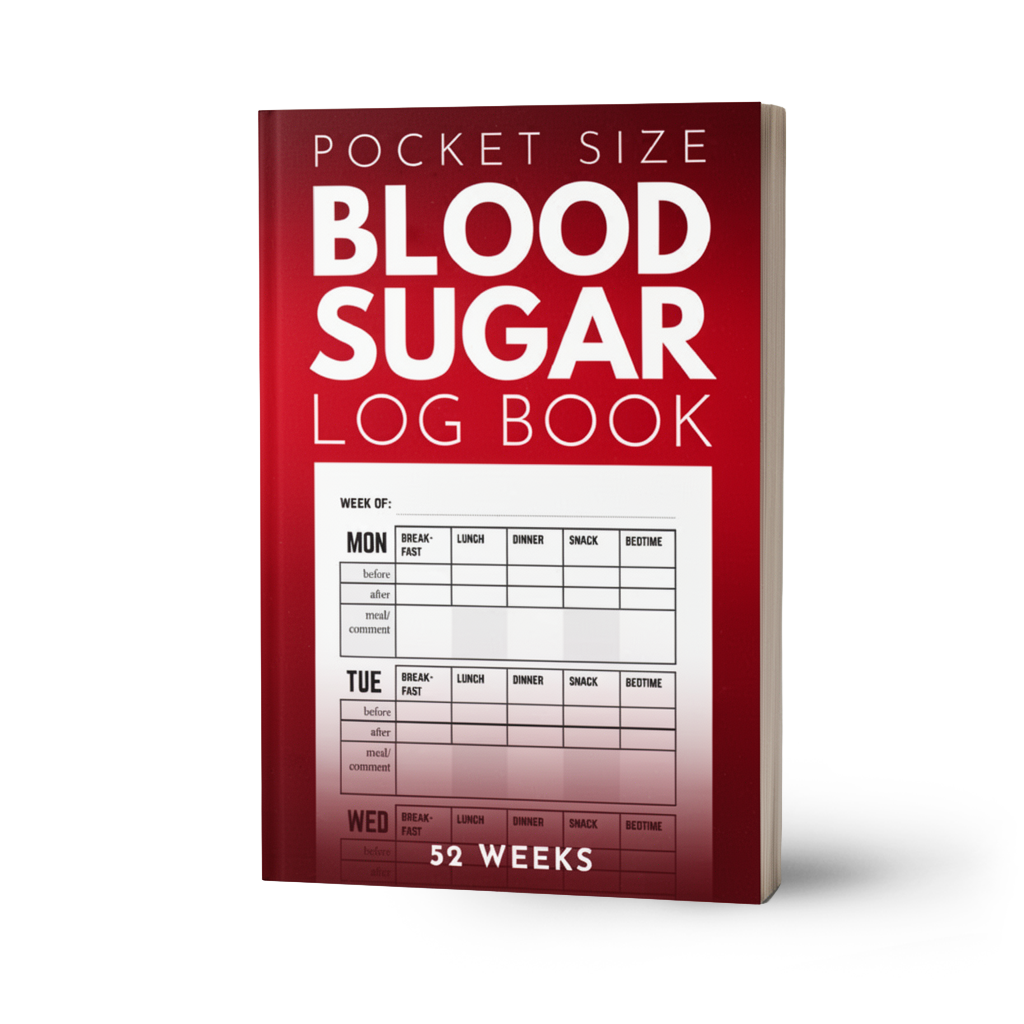 View on Amazon (4.6★)
Sources
- PMC / NIH — Efficacy of Berberine in Patients with Type 2 Diabetes (*Metabolism*, 2008).
- International Journal of Basic & Clinical Pharmacology — Berberine HCl vs. Metformin in Prediabetes: Randomized Clinical Trial (2025).
- PMC / NIH — Berberine and Health Outcomes: An Overview of Systematic Reviews (2025).
- PMC / NIH — Metformin and Berberine: Two Versatile Drugs in Treatment of Common Metabolic Diseases (2017).
- ScienceDirect — Berberine as a Potential Alternative for Metformin with Good Regulatory Effect on Lipids (2023).
- PMC / NIH — The Effect of Cinnamon Supplementation on Glycemic Control: Meta-Analysis (2023).
- ScienceDirect — A Tale of Two Cinnamons: Comparative Review of Ceylon vs. Cassia in Diabetes Management (2020).
- Harvard University / Nutrition Journal — Effect of Fenugreek on Glycemia: A Meta-Analysis of Clinical Trials (2014).
- PMC / NIH — The Effect of Fenugreek in Type 2 Diabetes and Prediabetes: Systematic Review and Meta-Analysis (2023).
- PubMed / NIH — Effects of Ginger on Type 2 Diabetes and the Metabolic Syndrome: Systematic Review and Meta-Analysis of RCTs (2018).
- PubMed / NIH — Ginger Supplementation, CRP, Lipid Profile, and Glycaemia: Meta-Analysis (2016).
- PubMed / NIH — Ginger Supplementation on Glycemic Control in T2DM: Systematic Review and Meta-Analysis (2024).
- ScienceDirect — Curcumin or Combined Curcuminoids Lower Fasting Blood Glucose in Dysglycemia: Systematic Review and Meta-Analysis (2018).
- Diabetes Care (ADA) — Curcumin Extract for Prevention of Type 2 Diabetes (2012).
- IVB Wellness Lab — Gymnema Sylvestre Clinical Evidence Review (2026).
- ScienceDirect Topics — Gymnema Sylvestre: Overview .
- WebMD — Gymnema: Uses, Side Effects, and More .
- Mayo Clinic — Herbal Supplements and Diabetes: Know the Risks *(medically reviewed)*.